
Today we will:
1. Go over student rubric----please save for future reference!!!
2. Look at a student sample from the AP exam (different topic of course) --save for reference!!
3. Review our rhetorical analysis assignment--Thoreau's Walden
4. Go over your own rhetorical analysis essay and make any necessary corrections--it may be helpful to ask a peer to go over it for you if you did not get any edits from me.
5. Turn in your final draft either today or tomorrow for an essay grade
***THERE WILL BE NO NEW ASSIGNMENTS GIVEN TOMORROW!******
ENJOY YOUR BREAK OR FEEL FREE TO READ AHEAD IN THE BOOK--REMEMBER TO KEEP WRITING QUOTES IN YOUR DOUBLE-ENTRY JOURNAL!!!!
Thursday, December 19, 2019

Tuesday, December 17, 2019
class work
Into the
Wild
Close Read
and Characterization
Character Description – Christopher McCandless
(Please cite your text using MLA citation)
|
What does this reveal about his character?
|
Character
Sketch
Presentation
What pieces of textual evidence gave you the best insight into
McCandless and his character?
1.
2.
3.
Overall, give three adjectives to describe McCandless based on
your textual evidence.
1.
2.
3.
Monday, December 16, 2019
Check the side board for this week's agenda please!
Today we will:
1. Take our your dialectical journals for Into the Wild. (At this point you should have read Ch. 4 and 5 up until page 46)
2. Watch a movie clip
Work on the study guide questions for Ch. 4-5:
Chapters 4 and 5; pages 25-46 3. Chapter 4 ends with the following quote from McCandless’ journal: “It is the experiences, the memories, the great triumphant joy of living to the fullest extent in which real meaning is found” (37). Identify an experience from this chapter and explain what “meaning” you think Alex has found. Use a quote to support your explanation. 4. What does “Plastic People” in chapter five mean? What are two things McCandless considered plastic? Do you agree with his assessment? Support your answer with a quote.
For homework: Read Ch. 6 "Anza-Borrego" (pages 47-60)
1. Take our your dialectical journals for Into the Wild. (At this point you should have read Ch. 4 and 5 up until page 46)
2. Watch a movie clip
Work on the study guide questions for Ch. 4-5:
Chapters 4 and 5; pages 25-46 3. Chapter 4 ends with the following quote from McCandless’ journal: “It is the experiences, the memories, the great triumphant joy of living to the fullest extent in which real meaning is found” (37). Identify an experience from this chapter and explain what “meaning” you think Alex has found. Use a quote to support your explanation. 4. What does “Plastic People” in chapter five mean? What are two things McCandless considered plastic? Do you agree with his assessment? Support your answer with a quote.
For homework: Read Ch. 6 "Anza-Borrego" (pages 47-60)
Wednesday, December 11, 2019
Conclusion questions/Begin to look at the Rhetorical Analysis Essay packet
IF YOU DID NOT FINISH THE PRECIS YESTERDAY--PLEASE MAKE SURE YOU FINISH IT ASAP!!!
- Why does Thoreau leave the woods? Is this a valid reason? Remember back to “Where I Lived, What I Lived For”—why did Thoreau go to the woods? According to “Conclusion,” did he achieve his purpose?
- What does it mean to “hear a different drummer”?
- What similarities between poverty and wealth does
Thoreau find? What benefits of
poverty does Thoreau see?
- If the “sun is but a morning star,” what do you
think Thoreau’s opinion about mankind is?
Are we just in our infancy as well?
Who or what is our best teacher?
----------------------------------------------------------------------------
For the second part of class we will start going over the rhetorical analysis essay---what does the writer do with his/her writing and why?
We will be writing our first rhetorical analysis essay in class over the next few days---PLEASE SAVE ALL OF THESE SHEETS IN YOUR BINDER FOR FUTURE REFERENCE!!!
For the second part of class we will start going over the rhetorical analysis essay---what does the writer do with his/her writing and why?
We will be writing our first rhetorical analysis essay in class over the next few days---PLEASE SAVE ALL OF THESE SHEETS IN YOUR BINDER FOR FUTURE REFERENCE!!!
Tuesday, December 10, 2019
Walden...again
Today we will--
1. Finish our questions on Walden from yesterday (#1-8). Remember you were supposed to read and annotate the remainder of the text (not including the Conclusion, that was optional)
2. When you are finished, work on writing your rhetorical precis using the attached white sheets as a guide--IT NEEDS TO BE WRITTEN ON LINED PAPER--NOT ONLY FILLED OUT ON THE WORKSHEET TO BE CONSIDERED COMPLETE.---it shouldn't be done hastily--take your time!
TURN IN BOTH THE WALDEN QUESTIONS AND THE PRECIS BEFORE YOU LEAVE.
1. Finish our questions on Walden from yesterday (#1-8). Remember you were supposed to read and annotate the remainder of the text (not including the Conclusion, that was optional)
2. When you are finished, work on writing your rhetorical precis using the attached white sheets as a guide--IT NEEDS TO BE WRITTEN ON LINED PAPER--NOT ONLY FILLED OUT ON THE WORKSHEET TO BE CONSIDERED COMPLETE.---it shouldn't be done hastily--take your time!
TURN IN BOTH THE WALDEN QUESTIONS AND THE PRECIS BEFORE YOU LEAVE.
Monday, December 9, 2019
Walden assignment continued

---"Solitude" we will read together and annotate/summarize
---"The Pond in Winter" and "Spring" you will annotate on your own annotate/summarize
2. Answer the questions below on a separate sheet of paper
Questions section 1: "Where I lived and what I lived for"
1. Why does Thoreau find it necessary to tell his audience "he wished to live deliberately" in the woods? (par 3)
2. Explain Thoreau's use of the word "simplicity" in par. 4. What is he referring to and how does he believe it benefits a person.
3. In par. 5 Thoreau talks about the idea of "work". What is Thoreau's opinion on it? How do you know?
4. Explain the quote from par. 8 "Time is but the stream I go a-fishin in." What literary device is this and what is he trying to say?
Questions section 2: "Solitude"
5. In your opinion, why does Thoreau refer to the evening as "delicious"?
6. Who are "Nature's watchmen" and why are they referred to in this way?
Questions section 3: "The Pond in the Winter"
7. Explain how Thoreau uses imagery in this section and what effect it has on the reader.
Questions section 4: "Spring"
8. Compare and contrast "winter" to "spring" (the previous paragraph to this one).
For homework: Complete reading and annotating the conclusion
Friday, December 6, 2019
Worksheet excerpts Walden
Link to the excerpts: Click here
Section 1: "Where I lived and What I Lived For"
First: we will read and annotate: I will model section 1 on the board
Second: We will work to finish reading section 1 INDEPENDENTLY
Third: We will work in a group to summarize 1 section of the text---write it on the board--we can all use your notes to add onto our text
Fourth: We will work either by ourselves or in groups to answer the questions below
Questions section 1: Walden
1. Why does Thoreau find it necessary to tell his audience "he wished to live deliberately" in the woods? (par 3)
2. Explain Thoreau's use of the word "simplicity" in par. 4. What is he referring to and how does he believe it benefits a person.
3. In par. 5 Thoreau talks about the idea of "work". What is Thoreau's opinion on it? How do you know?
4. Explain the quote from par. 8 "Time is but the stream I go a-fishin in." What literary device is this and what is he trying to say?
Section 1: "Where I lived and What I Lived For"
First: we will read and annotate: I will model section 1 on the board
Second: We will work to finish reading section 1 INDEPENDENTLY
Third: We will work in a group to summarize 1 section of the text---write it on the board--we can all use your notes to add onto our text
Fourth: We will work either by ourselves or in groups to answer the questions below
Questions section 1: Walden
1. Why does Thoreau find it necessary to tell his audience "he wished to live deliberately" in the woods? (par 3)
2. Explain Thoreau's use of the word "simplicity" in par. 4. What is he referring to and how does he believe it benefits a person.
3. In par. 5 Thoreau talks about the idea of "work". What is Thoreau's opinion on it? How do you know?
4. Explain the quote from par. 8 "Time is but the stream I go a-fishin in." What literary device is this and what is he trying to say?
Thursday, December 5, 2019
Henry David Thoreau "Walden"
In Ch. 4, we learn more about Chris McCandless and his intentions for his life. The book tells us, that he was influenced, as are many, by Henry David Thoreau. Who is this? What did he do?
For homework tonight: Read Ch. 4
Thoreau/Walden video introduction
For homework tonight: Read Ch. 4
Thoreau/Walden video introduction
Wednesday, December 4, 2019
Ch. 2: The Stampede Trail
First, take 5-10 minutes and read Ch. 2 "The Stampede Trail" to yourself (pages 9-14)
Second, take an additional 5-10 minutes and add on at least 3-4 entries to your dialectical journal (that we started yesterday)
Third, choose a partner (or 2--DO NOT work alone) and compare your notes --tell them which quotes you chose and explain why. Copy any from each other that you missed and would like to write down.
(about 10 min. total)
Fourth, choose a member of your group to come to the board and add on YOUR BEST QUOTE/EXPLANATION to share with the class. An additional group member will be chosen to read/explain it to the class aloud.
For homework: Read Ch. 3 "Carthage" (pages 15-23) and add on an additional 3-4 entries in your journal
Second, take an additional 5-10 minutes and add on at least 3-4 entries to your dialectical journal (that we started yesterday)
Third, choose a partner (or 2--DO NOT work alone) and compare your notes --tell them which quotes you chose and explain why. Copy any from each other that you missed and would like to write down.
(about 10 min. total)
Fourth, choose a member of your group to come to the board and add on YOUR BEST QUOTE/EXPLANATION to share with the class. An additional group member will be chosen to read/explain it to the class aloud.
For homework: Read Ch. 3 "Carthage" (pages 15-23) and add on an additional 3-4 entries in your journal
Today's homework: Complete the work for the first prompts (chapters 1-3)-
Part 1 – Into the Wild
Chapters 1-3; pages 3-23
1. After reading chapter 1, use two adjectives to describe your impressions of Chris McCandless (Alex). Explain and support each adjective with a specific quote from the chapter. 2. After graduating college, McCandless begins, “an epic journey that would change everything” (22). He saw his time in college as “an absurd and onerous duty” (22). In heading west he felt freed “from the stifling world of his parents and peers, a world of abstraction and security and material excess” (22). Using examples from the reading explain what he meant by this. Do you agree with his motivation for leaving?
Chapters 4 and 5; pages 25-46 3. Chapter 4 ends with the following quote from McCandless’ journal: “It is the experiences, the memories, the great triumphant joy of living to the fullest extent in which real meaning is found” (37). Identify an experience from this chapter and explain what “meaning” you think Alex has found. Use a quote to support your explanation. 4. What does “Plastic People” in chapter five mean? What are two things McCandless considered plastic? Do you agree with his assessment? Support your answer with a quote.
--------------------------------------------------------------------
Chapters 6 and 7; pages 47-69 5. Ronald Franz and McCandless establish a father-son type of relationship. Identify one benefit or drawback (using a quote) that each gets out of the relationship. 6. Before McCandless leaves for Alaska, Wayne Westerberg offers to buy him a plane ticket. McCandless refuses, however, claiming, “flying would be cheating. It would wreck the whole trip” (67). Find and explain two quotes from this chapter that demonstrate whether or not McCandless actually lives by his own words.
Chapters 10 and 11; pages 98-116 7. Identify two qualities that Walt McCandless and his son have in common. Support each quality with a quote from the text. 8. Identify two specific details or examples (using quotes) from Chris McCandless’ childhood/high school years that seem to predict his later behavior. What is it about these events that help to explain his actions as an adult?
Chapter 12, pages 117-126; Chapter 14-15, page 133-56 9. Contrast McCandless’ feelings about his family with his family’s feelings about him. How does the Thoreau quote that opens the chapter match Chris’ feelings about his family? Support your points with two quotes from the reading. 10. Krakauer admits to not being an “impartial biographer” (ii). How do his experiences (particularly his own journey into the wild (pp.133-56) comments and opinions add to or take away from Chris’ story? Support your answer with specific details from these chapters.
Chapter 16, pages 157 – 171; Chapter 17; pages 172 - 186 11. Read the italicized passage on page 168 that McCandless wrote and the italicized passage he highlighted from Tolstoy on page 169. Based on these writings and events in this chapter, what convinced McCandless that it was time to return to civilization? What did he learn from his time “in the wild”? Support your answer with specific details. 12. Krakauer observes that it is not “unusual for a young man to be drawn to a pursuit considered reckless by his elders.” Identify two details from this chapter where McCandless exemplifies this observation. Explain whether or not McCandless would agree with Krakauer. Finally compare McCandless’ view with that of one of the following men mentioned in this chapter: Andy Horowitz, Gordon Samel, Roman Dial, Sir John Franklin. 13. Krakauer goes on to claim that McCandless’ “life hummed with meaning and purpose. But the meaning he wrested from existence lay beyond the comfortable path.” Do you agree with Krakauer? Support your response with two specific quotes from this chapter.
Chapters 18 and Epilogue; pages 185-203 14. How does the Doctor Zhivago quote that opens the chapter foreshadow McCandless’ actions and writings later in the chapter? Cite two specific examples using quotations from the text. 15. Do you believe McCandless is to blame for his own death? Explain your answer using two specific details from the chapter. Use quotations to support your response.
Chapters 1-3; pages 3-23
1. After reading chapter 1, use two adjectives to describe your impressions of Chris McCandless (Alex). Explain and support each adjective with a specific quote from the chapter. 2. After graduating college, McCandless begins, “an epic journey that would change everything” (22). He saw his time in college as “an absurd and onerous duty” (22). In heading west he felt freed “from the stifling world of his parents and peers, a world of abstraction and security and material excess” (22). Using examples from the reading explain what he meant by this. Do you agree with his motivation for leaving?
Chapters 4 and 5; pages 25-46 3. Chapter 4 ends with the following quote from McCandless’ journal: “It is the experiences, the memories, the great triumphant joy of living to the fullest extent in which real meaning is found” (37). Identify an experience from this chapter and explain what “meaning” you think Alex has found. Use a quote to support your explanation. 4. What does “Plastic People” in chapter five mean? What are two things McCandless considered plastic? Do you agree with his assessment? Support your answer with a quote.
--------------------------------------------------------------------
Chapters 6 and 7; pages 47-69 5. Ronald Franz and McCandless establish a father-son type of relationship. Identify one benefit or drawback (using a quote) that each gets out of the relationship. 6. Before McCandless leaves for Alaska, Wayne Westerberg offers to buy him a plane ticket. McCandless refuses, however, claiming, “flying would be cheating. It would wreck the whole trip” (67). Find and explain two quotes from this chapter that demonstrate whether or not McCandless actually lives by his own words.
Chapters 10 and 11; pages 98-116 7. Identify two qualities that Walt McCandless and his son have in common. Support each quality with a quote from the text. 8. Identify two specific details or examples (using quotes) from Chris McCandless’ childhood/high school years that seem to predict his later behavior. What is it about these events that help to explain his actions as an adult?
Chapter 12, pages 117-126; Chapter 14-15, page 133-56 9. Contrast McCandless’ feelings about his family with his family’s feelings about him. How does the Thoreau quote that opens the chapter match Chris’ feelings about his family? Support your points with two quotes from the reading. 10. Krakauer admits to not being an “impartial biographer” (ii). How do his experiences (particularly his own journey into the wild (pp.133-56) comments and opinions add to or take away from Chris’ story? Support your answer with specific details from these chapters.
Chapter 16, pages 157 – 171; Chapter 17; pages 172 - 186 11. Read the italicized passage on page 168 that McCandless wrote and the italicized passage he highlighted from Tolstoy on page 169. Based on these writings and events in this chapter, what convinced McCandless that it was time to return to civilization? What did he learn from his time “in the wild”? Support your answer with specific details. 12. Krakauer observes that it is not “unusual for a young man to be drawn to a pursuit considered reckless by his elders.” Identify two details from this chapter where McCandless exemplifies this observation. Explain whether or not McCandless would agree with Krakauer. Finally compare McCandless’ view with that of one of the following men mentioned in this chapter: Andy Horowitz, Gordon Samel, Roman Dial, Sir John Franklin. 13. Krakauer goes on to claim that McCandless’ “life hummed with meaning and purpose. But the meaning he wrested from existence lay beyond the comfortable path.” Do you agree with Krakauer? Support your response with two specific quotes from this chapter.
Chapters 18 and Epilogue; pages 185-203 14. How does the Doctor Zhivago quote that opens the chapter foreshadow McCandless’ actions and writings later in the chapter? Cite two specific examples using quotations from the text. 15. Do you believe McCandless is to blame for his own death? Explain your answer using two specific details from the chapter. Use quotations to support your response.
Tuesday, December 3, 2019
Day 1: Into the Wild by Jon Krakauer (please return all copies of The Glass Castle)
Today we will:
Ideas:
characterization
setting
foreshadowing
imagery
conflict (internal/external)
diction
dialogue
For homework: read the "Author's Note" at the beginning of the book
- Begin a dialectical journal and our notes that we will keep for the duration of the novel (we will review how to do this)
- Read pages Ch. 1 pages 3-7 (3-5 as a class 6-7 independently)
- Add a minimum of 2-3 quotes to your dialectical journal
- Write a response of a minimum of 2-3 paragraphs using rhetorical analysis (analyzing the author's writing strategy(ies) and how it affects the reader in Ch. 1---you should use a minimum of 2-3 examples of textual evidence in your response. It is due by the end of class today.
Ideas:
characterization
setting
foreshadowing
imagery
conflict (internal/external)
diction
dialogue
For homework: read the "Author's Note" at the beginning of the book
Wednesday, November 27, 2019
Please use this checklist to check your essay before you turn it in
1. Complete a self or peer (up to you) editing sheet for your essay link
2. Make a Works Cited page: An alphabetical listing of your sources that you used (first by author's last name and then by title if no author is given) NOT ALL OF THE SOURCES YOU READ--ONLY THE ONES YOU ARE PUTTING IN YOUR PAPER. SEE THE LINK BELOW FOR HELP
Owl at Purdue
NOTE: AT THE TOP OF THE PAGE IT WILL HELP YOU MAKE THE CITATION--IT HAS TO BE DONE IN A VERY SPECIFIC WAY.
2. Make a Works Cited page: An alphabetical listing of your sources that you used (first by author's last name and then by title if no author is given) NOT ALL OF THE SOURCES YOU READ--ONLY THE ONES YOU ARE PUTTING IN YOUR PAPER. SEE THE LINK BELOW FOR HELP
Owl at Purdue
NOTE: AT THE TOP OF THE PAGE IT WILL HELP YOU MAKE THE CITATION--IT HAS TO BE DONE IN A VERY SPECIFIC WAY.
Thursday, November 21, 2019
Today we will finish The Glass Castle movie and work on the outline
*Whatever we do not finish in class today--we can work on tomorrow if we have time after the performance, otherwise you will need to do it on your own time--on Monday-Wed. of next week we will meet in the lab room 184 to type our essays.
*Remember, you received some handouts for our last essay on MLA format and how to vary signal words.
*We will also produce a Works Cited page next week.
*Remember, you received some handouts for our last essay on MLA format and how to vary signal words.
*We will also produce a Works Cited page next week.
Wednesday, November 20, 2019
Tuesday, November 19, 2019
Essay The Glass Castle
Click here for The Glass Castle essay: packet link
Essay Writing Prompt: How much freedom and supervision should parents give their children? Are parents today too overprotective? Or is “free range” parenting a kind of neglect? Explain why. Write an argumentative essay, backing it up with textual details from the articles. Use your outline for argumentation/persuasion to format.
Your essay must include a minimum of 4 sources (min. 8 citations):
**The Glass Castle by Jeannette Walls (you must use this as one of your sources)
"Are Modern Kids Coddled?"
"Used to Be"
*A third article of your choice (or more)
Essay Writing Prompt: How much freedom and supervision should parents give their children? Are parents today too overprotective? Or is “free range” parenting a kind of neglect? Explain why. Write an argumentative essay, backing it up with textual details from the articles. Use your outline for argumentation/persuasion to format.
Your essay must include a minimum of 4 sources (min. 8 citations):
**The Glass Castle by Jeannette Walls (you must use this as one of your sources)
"Are Modern Kids Coddled?"
"Used to Be"
*A third article of your choice (or more)
Resources Online:
- “How much risk is good for kids? Parents make case for more adventurous childhoods” (NBC News)
- “Motherhood in the Age of Fear” (NYTimes)
- “Are Modern Kids Coddled?” (Newsweek)
- “Kids Solo Playtime” (NPR)
- “Maryland couple practicing “free-range parenting” investigated for neglect” (CBS News)
- Free-Range Kids
- “Free-range” parents cleared in 2nd child-neglect case (USA Today)
- ‘Free-range parenting’ advocate wages war against the belief that our kids are in constant danger (Raw Story)
- Maryland Officials: CPS Shouldn’t Interfere with ‘Free Range’ Kids (Parenting)
- Free-range kids: the upsides of relaxed parenting (San Jose Mercury News)
- Raising Risk-Takers: An Upside of Free-Range Parenting? (Huffington Post)
- American parenting has been misguided for decades — but one state is finally turning for the better (Business Insider)
- Free Range Parents Danielle and Alexander Meitiv Need to Stop Fighting and Put Kids’ Safety First (Huffington Post)
- Free Range Parenting: The Key Is Balance (Huffington Post)
- Used To Be (Huffington Post)
Monday, November 18, 2019
Information from Robin (Just Buffalo Literary Center) for those who expressed interest!
TUES, NOV 19 (3:30-6:00pm)
Places and People Flash Fiction Workshop w/ Gabriel Bump
In this workshop, we will focus on settings and characters for flash fiction. You'll use writing prompts to create your own unique and fun settings, make up characters to populate your settings, then give your characters quick problems to solve. At the end of each workshop, you will leave with a finished flash fiction piece. Open to writers of all abilities.
WEDS, NOV 20 (3:30-6:00pm)
Open Workshop & College Essay Feedback
Just read. Just write. Just get inspired. Just get into college. At Open Workshops you can work on any reading/writing/arts-based project you like. We'll have volunteers on hand to give you feedback or help you get started! *Through December, we'll have a special focus on College Essays but all writers welcome!*
THURS, NOV 21 (3:30-6:00pm)
Places and People Flash Fiction Workshop w/ Gabriel Bump
Workshop cont...Like always, you can come to this one even if you missed the workshop on Tuesday!
CALLS FOR WRITING & ARTWORK
SUBMIT POEMS FOR EXHIBIT & PERFORMANCE AT BURCHFIELD PENNEY
JBWC writers have been offered a very SPECIAL opportunity to participate in an upcoming exhibit at the Burchfield Penney! If you attended any of our recent environmental workshops, you are already set to be involved. If you missed the workshops, you can still participate! Check out this website with writing prompts, write something in any genre inspired by those prompts, and submit your work!
Your work will be used in a video projection piece that will be on display from Dec 13 thru March 29th. You are also encouraged to READ your piece at the exhibit opening on Dec 13th!
SUBMIT ARTWORK TO SELL AT LOCUST STREET ART STUDENT MARKET
Locust Street Art is holding a Student Holiday Market. Submit your original artwork and chapbooks and they will sell them for you at their holiday market! More info here. Work needs to be dropped off by December 3rd.
Let's look ahead at the week's agenda:
1. First, we are going to review the requirements for visual literacy or "reading" pictures
****We can take some notes in the blank space on the side of your photo

2. We will look at picture #2 and complete the assignment on the back (first independently, and then second as a group)
3. We will review the final assignments for The Glass Castle and review the weekly agenda.
****We can take some notes in the blank space on the side of your photo
2. We will look at picture #2 and complete the assignment on the back (first independently, and then second as a group)
3. We will review the final assignments for The Glass Castle and review the weekly agenda.
Thursday, November 14, 2019
The entire book and study guide must be finished by Thursday--11/21--that's when we will begin the essay
*Read pages 129-144
*Complete the worksheet assignment that goes along with these pages
*Complete the worksheet assignment that goes along with these pages
Thursday, November 7, 2019
Wednesday, November 6, 2019
Quiz Today!
First, we will write on the board our character assessments from Friday. Then, we will take the quiz for the remainder of the period. Remember, tomorrow we will meet in room 184 for College Board information, etc.
Monday, November 4, 2019
BOOK CIRCLES: The Glass Castle---Please write all responses on the provided lined paper---or type it and email.
Book Circles:
1. Choose 1 character from Section I. Write a
characterization paragraph(s) describing your character. Give at least 2 adjectives you feel describe him/her and textual
evidence as support.
2. Describe 1 MAJOR conflict in Section I. Is it internal
or external? How does it drive the plot (keep it going)? Explain using at least 2 textual examples as evidence
for your claim.
3. Describe the character's role in the family as far as his/her relationship with others and how he/she interacts with them. What responsibility does/he she fill?
4. MAKE A PREDICTION ABOUT HOW THIS CHARACTER MAY DEVELOP AND WHY YOU THINK SO.
Friday, November 1, 2019
Free-range kids
Link to the article: https://www.mercurynews.com/2015/05/26/free-range-kids-the-upsides-of-relaxed-parenting/
Today we will be looking at the final in-class article for the Glass Castle essay. We are going to read it, and write a rhetorical precis on it by yourself or with a partner. You have an example of this in your green packet (or I will put one up on the board for help). Remember, the precis, is a a few paragraphs following the format given. SAVE the article for future use.
precis help
Remember, you should read up until page 129 in the book and answer all the study guide questions for section I by Wednesday. You will have time in class on Monday to work on this.
Your first quiz on the book will be next week Thursday.
Today we will be looking at the final in-class article for the Glass Castle essay. We are going to read it, and write a rhetorical precis on it by yourself or with a partner. You have an example of this in your green packet (or I will put one up on the board for help). Remember, the precis, is a a few paragraphs following the format given. SAVE the article for future use.
precis help
Remember, you should read up until page 129 in the book and answer all the study guide questions for section I by Wednesday. You will have time in class on Monday to work on this.
Your first quiz on the book will be next week Thursday.
Tuesday, October 29, 2019
Review: MOOD
Copy the following definition into your notes:
MOOD--Mood is the general atmosphere created by the author’s words. It is the feeling the reader gets from reading those words. It may be the same, or it may change from situation to situation.
Writers use many devices to create mood, including imagery, diction (author's word choice**), dialogue, setting*, and plot. Often a writer creates a mood at the beginning of the story and continues it to the end. However, sometimes the mood changes because of the plot or changes in characters.
You will receive a handout on words that describe tone and mood: Click here
Click on the following link to find the mood worksheet: Click here
video link-----COMPLETE ON YOUR OWN AND TURN IN.
BACK TO THE BOOK!!!
Go to page 73--we will read through page 80.
****Pick a section of today's reading. Choose 1-2 words to describe the MOOD of your selection using the strategies you've learned today. Give examples of the clues you found that supports your choice----complete on the pink sheet please!!
MOOD--Mood is the general atmosphere created by the author’s words. It is the feeling the reader gets from reading those words. It may be the same, or it may change from situation to situation.
Writers use many devices to create mood, including imagery, diction (author's word choice**), dialogue, setting*, and plot. Often a writer creates a mood at the beginning of the story and continues it to the end. However, sometimes the mood changes because of the plot or changes in characters.
You will receive a handout on words that describe tone and mood: Click here
Click on the following link to find the mood worksheet: Click here
video link-----COMPLETE ON YOUR OWN AND TURN IN.
BACK TO THE BOOK!!!
Go to page 73--we will read through page 80.
****Pick a section of today's reading. Choose 1-2 words to describe the MOOD of your selection using the strategies you've learned today. Give examples of the clues you found that supports your choice----complete on the pink sheet please!!
Monday, October 28, 2019
Compare and contrast
(Note: the video has a TRANSCRIPT attached if you cannot take the notes fast enough--they can be used as sources for your paper)
Colin Powell Ted Talk-- "Kids Need Structure": link here----PLEASE ATTEMPT TO TAKE NOTES
Assignment: After watching the Ted Talk above, write a compare/contrast of Colin Powell's views on child rearing, as opposed to "Mom" and "Dad" in the book. Below are a couple formats you can use for your writing
Block Style: Point-by-point:
Re-read the following sections of The Glass Castle if necessary:
Pages: 9-16 "the hospital"
Pages: 19-25 "the skedaddle"
Pages: 29-31 "moving"
Pages: 32-34 "fire--again"
Pages: 42-47 "pregnancy"
Page: 58-61 "new school"
Pages: 64-66 "Battle Mountain--swimming"
Pages 67- 68 "Dad loses his job"
Colin Powell Ted Talk-- "Kids Need Structure": link here----PLEASE ATTEMPT TO TAKE NOTES
Assignment: After watching the Ted Talk above, write a compare/contrast of Colin Powell's views on child rearing, as opposed to "Mom" and "Dad" in the book. Below are a couple formats you can use for your writing
Block Style: Point-by-point:
Re-read the following sections of The Glass Castle if necessary:
Pages: 9-16 "the hospital"
Pages: 19-25 "the skedaddle"
Pages: 29-31 "moving"
Pages: 32-34 "fire--again"
Pages: 42-47 "pregnancy"
Page: 58-61 "new school"
Pages: 64-66 "Battle Mountain--swimming"
Pages 67- 68 "Dad loses his job"
Thursday, October 24, 2019
Today's work----get caught up with the reading and study guide
I realized yesterday---we are not caught up--------------
so first, paraphrasing practice (review "how")
and then, use the rest of your time to catch up on:
1. Reading up to page 72
2. Answering study guide questions through #23
3. Adding quotes to your dialectical journal
so first, paraphrasing practice (review "how")
and then, use the rest of your time to catch up on:
1. Reading up to page 72
2. Answering study guide questions through #23
3. Adding quotes to your dialectical journal
Wednesday, October 23, 2019
Movie and reflection
|
|
Book/Story
|
Movie
|
|
Title
|
|
|
|
Characters:
|
How were they described in the book?
|
Did they look the way you thought they were going to in
the movie?
|
|
|
1.
2.
|
1.
2.
|
|
Additions:
|
What was in the book but wasn’t in the movie?
|
What did they add to the movie that wasn’t in the book?
|
|
|
1.
2.
|
1.
2.
|
|
Deletions:
|
What parts of the story were deleted from the movie?
|
Was there anything in the movie that should have been in
the book?
|
|
|
1.
2.
|
1.
2.
|
|
Accuracy:
|
|
Was the movie accurate to story in the book? Explain.
|
Tuesday, October 22, 2019
Chapter Analysis worksheet
Today's worksheet can be found here: Chapter analysis
- Read pages 1-50
For homework: Continue reading and answering your study guide questions---ALSO, ADD QUOTES TO YOUR DIALECTICAL JOURNAL SO YOU DON'T HAVE TO GO BACK AND FIND QUOTES FOR YOUR ESSAY LATER ON
BY FRIDAY---READ THROUGH PAGE 72 AND BE DONE ANSWERING STUDY GUIDE QUESTIONS THROUGH #23
Monday, October 21, 2019
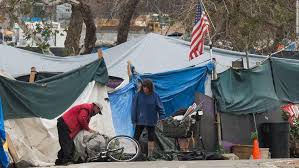
Image analysis
- What would you think if you saw this family on the street?
- What kinds of assumptions and judgments would you make?
- Have you seen families like this before?
- How do you think they feel?

*Discuss conflicting opinions and whether or not it is fair to make judgments about people based on their appearances. (5 minutes)
The picture is of a homeless family from Arizona.
*Draw a line underneath your initial response and write a reaction to the statistic you found most surprising.
To view Homelessness in America video clip: click here
* Discuss responses. (5 minutes). ---TURN THIS IN TODAY OR ATTACHED TO YOUR HW QUESTIONS (BELOW)
*Watch video clip of Jeannette Walls on the Stephen Colbert Report in which she discusses her experience with homelessness and introduces her memoir The Glass Castle. (7 minutes)
Homework Questions (or in class if you have time)
1. What kinds of stereotypes exist about people who are homeless?
2. What is being done to help the homeless population in America?
3. In looking at Jeannette Walls, would you have ever guessed she spent her childhood in poverty?
4. What do you think about Jeannette’s reaction to seeing her mother digging in the trash?
Friday, October 18, 2019
Thursday, October 17, 2019
"Are Modern Kids Coddled?"
Newsweek article
Today we will:
1. Annotate the article---first time through circle unknown vocabulary ONLY
2. Label the left side "questions" and the right side "notes". NUMBER THE PARAGRAPHS.
3. Answer the text-based questions below (MUST USE RACE--RESTATE/ANSWER/CITE/EXPLAIN) based on the article (highlight your answers in the passage). Look-up unknown vocab and define on your worksheet.
4. Please complete the assignment for homework and ATTACH YOUR ANNOTATIONS FOR CREDIT.
Questions for: "Are Modern Kids Coddled?" (30 PTS.--20 QUESTIONS/10ANNOTATIONS)
1. How does the author use the opening sentence to grab the reader's attention? What is a possible audience he is addressing? Purpose?
2. An anecdote is a short and amusing or interesting story about a real incident or person . How does the author use anecdote in the first few paragraph to explain the problem to the audience?
3. In paragraph 5, the mother is accused of being "cavalier" about her kids' safety. What does this imply about her as a mother? Does this comment seem fair or unfair? Explain.
4. What is "Free Range Kids" and what is its purpose?
5. Cite 1-2 statistics the author provides and what argument they reinforce.
6. Where is the counter-claim paragraph? What is the counter-argument? Is there a rebuttal?
7. What does it mean when the author states that experts discourage a "one-size-fits-all approach to parenting?"
8. What is the author's purpose in including the statements by Dr. Richard Gallagher? Who is her? Is this the ethical, logical, or emotional appeal?
9. Provide 1-2 vocabulary words that you didn't know in this article. Explain how the knowledge of the word was essential to your full understanding of the text.
10. Overall do you believe the article was "for", or "against, (or "neutral") the "coddling" of children? Explain.
Today we will:
1. Annotate the article---first time through circle unknown vocabulary ONLY
2. Label the left side "questions" and the right side "notes". NUMBER THE PARAGRAPHS.
3. Answer the text-based questions below (MUST USE RACE--RESTATE/ANSWER/CITE/EXPLAIN) based on the article (highlight your answers in the passage). Look-up unknown vocab and define on your worksheet.
4. Please complete the assignment for homework and ATTACH YOUR ANNOTATIONS FOR CREDIT.
Questions for: "Are Modern Kids Coddled?" (30 PTS.--20 QUESTIONS/10ANNOTATIONS)
1. How does the author use the opening sentence to grab the reader's attention? What is a possible audience he is addressing? Purpose?
2. An anecdote is a short and amusing or interesting story about a real incident or person . How does the author use anecdote in the first few paragraph to explain the problem to the audience?
3. In paragraph 5, the mother is accused of being "cavalier" about her kids' safety. What does this imply about her as a mother? Does this comment seem fair or unfair? Explain.
4. What is "Free Range Kids" and what is its purpose?
5. Cite 1-2 statistics the author provides and what argument they reinforce.
6. Where is the counter-claim paragraph? What is the counter-argument? Is there a rebuttal?
7. What does it mean when the author states that experts discourage a "one-size-fits-all approach to parenting?"
8. What is the author's purpose in including the statements by Dr. Richard Gallagher? Who is her? Is this the ethical, logical, or emotional appeal?
9. Provide 1-2 vocabulary words that you didn't know in this article. Explain how the knowledge of the word was essential to your full understanding of the text.
10. Overall do you believe the article was "for", or "against, (or "neutral") the "coddling" of children? Explain.
Wednesday, October 16, 2019
Homework for tonight--you can start now if you'd like to!
Read up until page 54 and add on at least 2 quotes/passages to your dialectical journal--
Tomorrow we will work on article #2 for the unit "Are Modern Kids Coddled"?
Tomorrow we will work on article #2 for the unit "Are Modern Kids Coddled"?
Tuesday, October 15, 2019
We should be up to page 41 in the book right now and have answered study guide questions #1-19!!
Today we are going to make a dialectical journal in our notes that we WILL KEEP UNTIL THE END OF THE BOOK!!! Copy the following chart:
We will break-up into 4 groups and work in 10 page sections searching for good entries for what we have read so far!!
Group 1: pages 1-10
Group 2: pages 11-20
Group 3: pages 21-30
Group 4 pages 31-41.
|
Page #
|
Lines/quotes that are interesting, important, confusing, etc.
|
Explain—why is it interesting, important, confusing, etc.
|
|
|
|
|
|
|
|
|
|
|
|
|
|
|
|
|
|
|
|
|
|
|
|
|
|
|
|
|
We will break-up into 4 groups and work in 10 page sections searching for good entries for what we have read so far!!
Group 1: pages 1-10
Group 2: pages 11-20
Group 3: pages 21-30
Group 4 pages 31-41.
Subscribe to:
Comments (Atom)